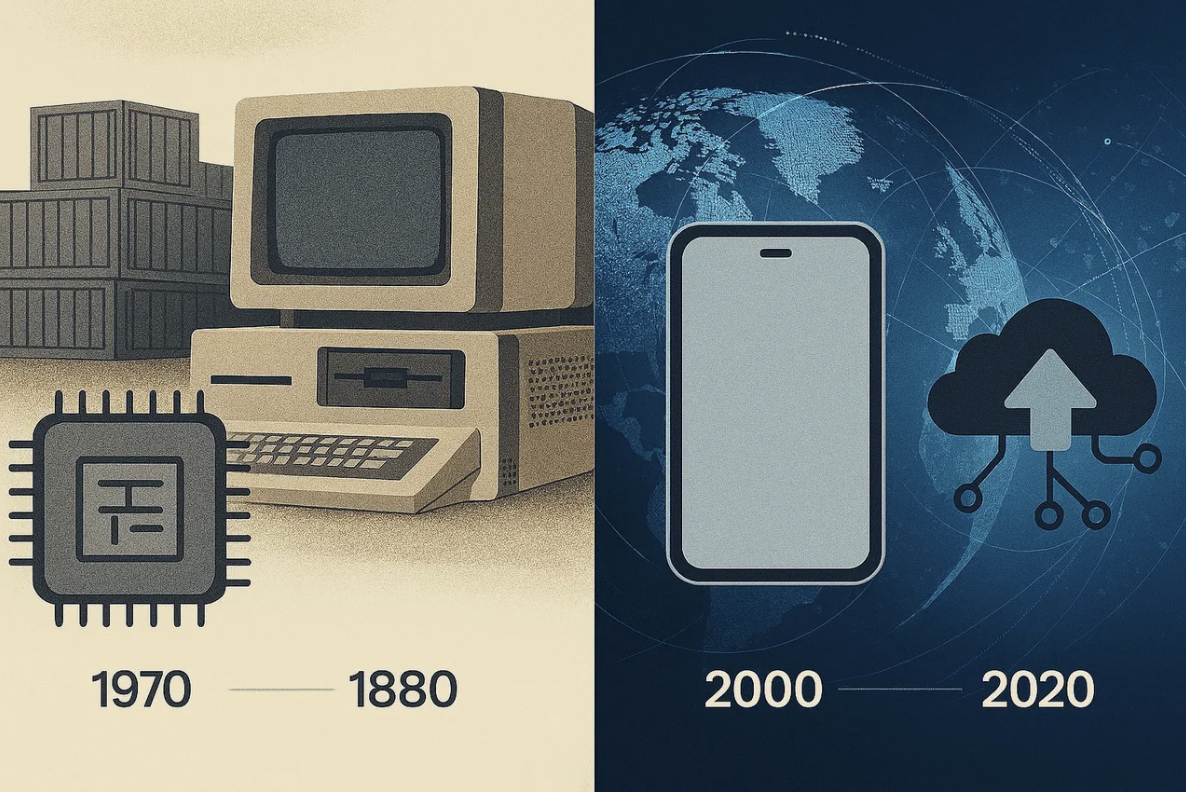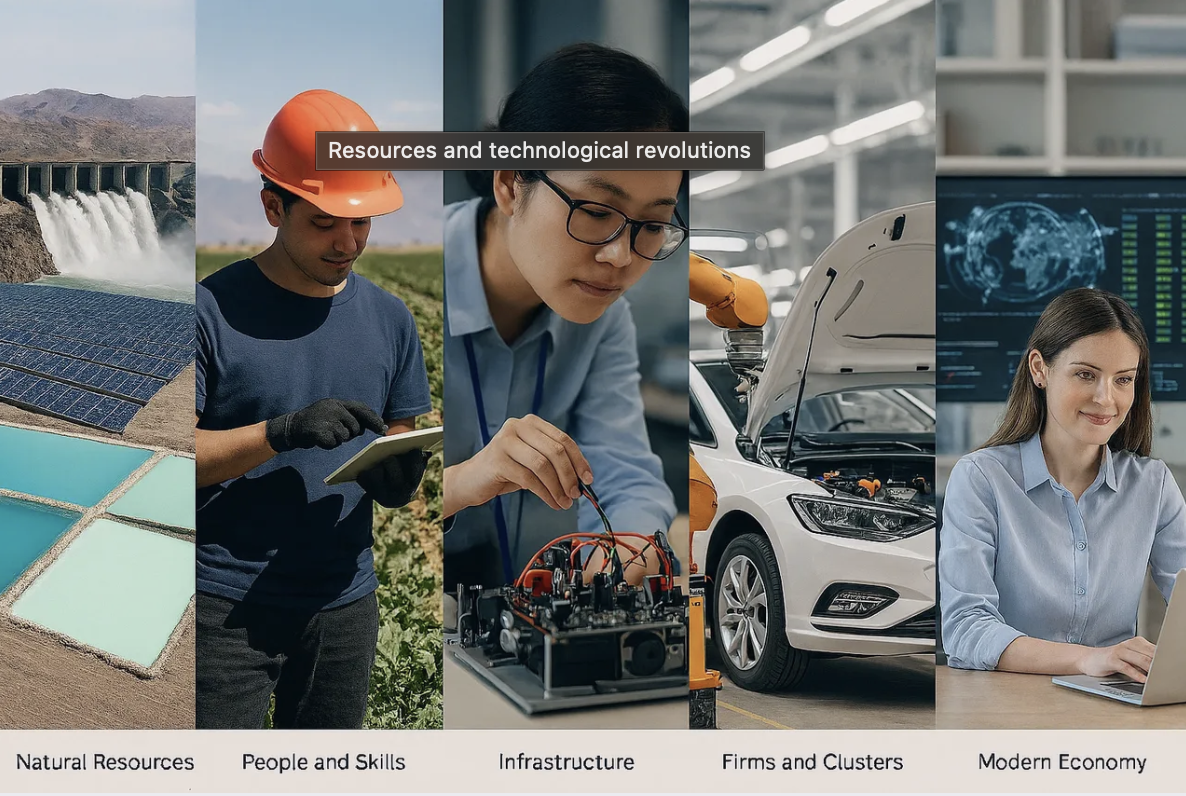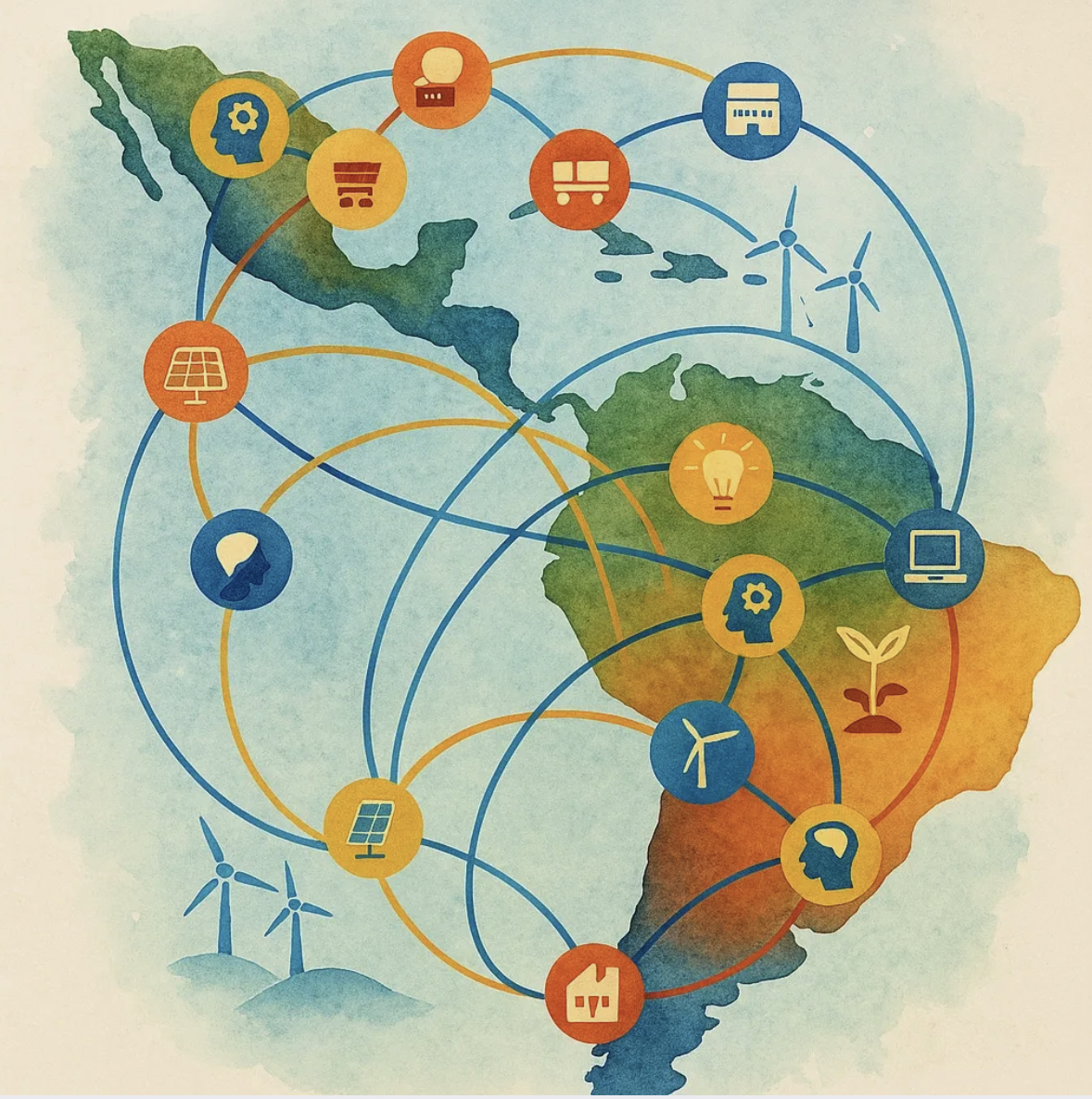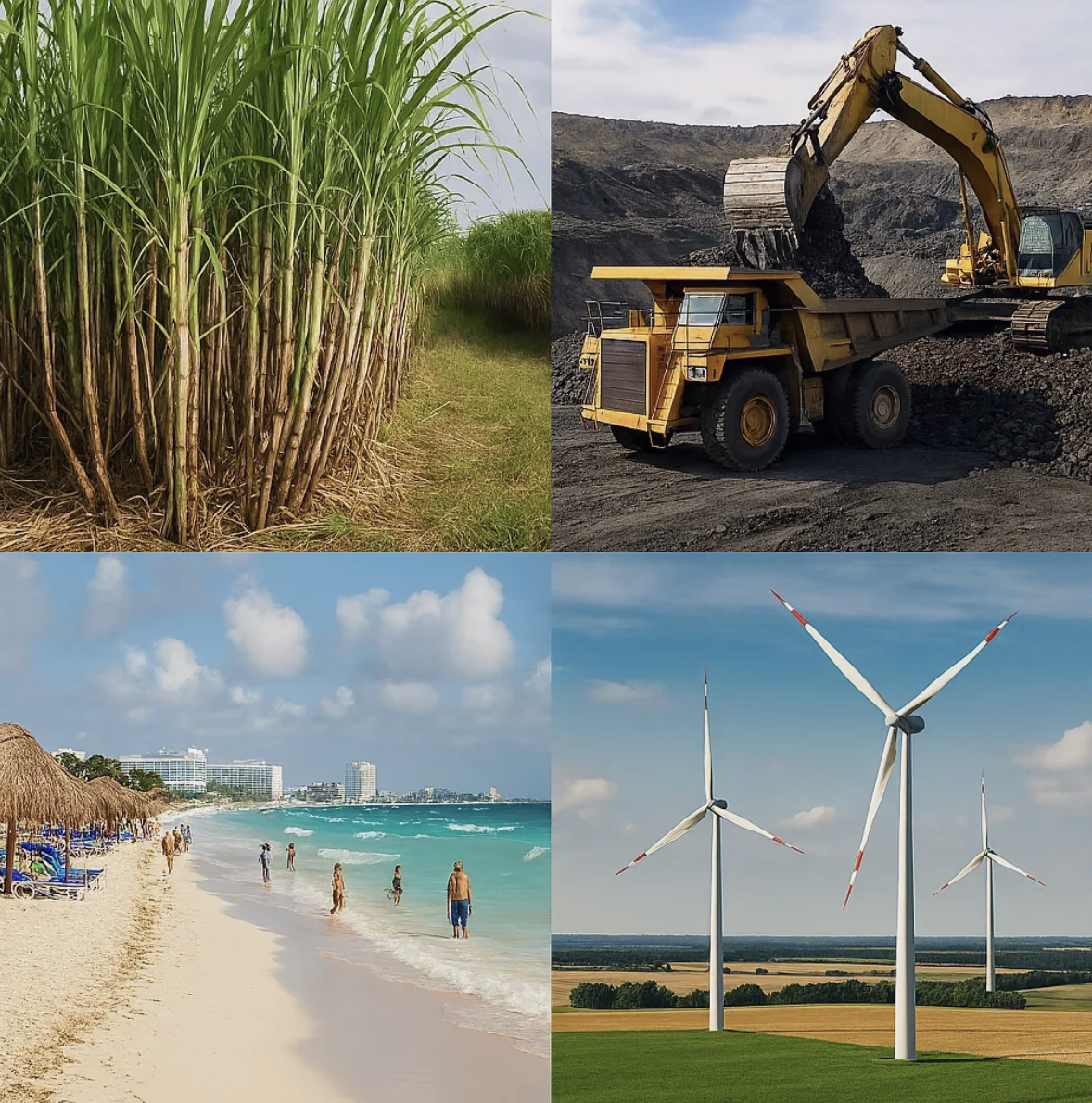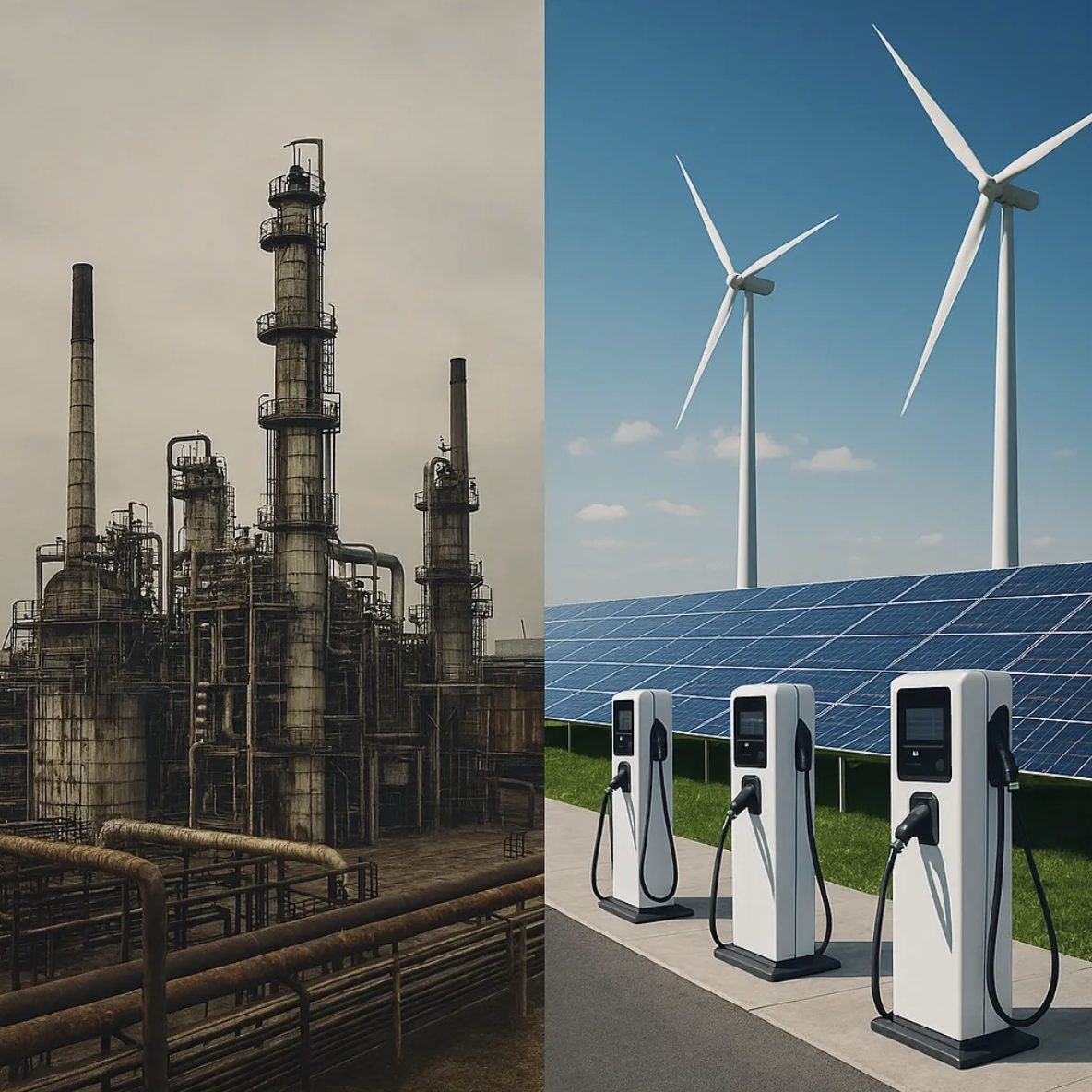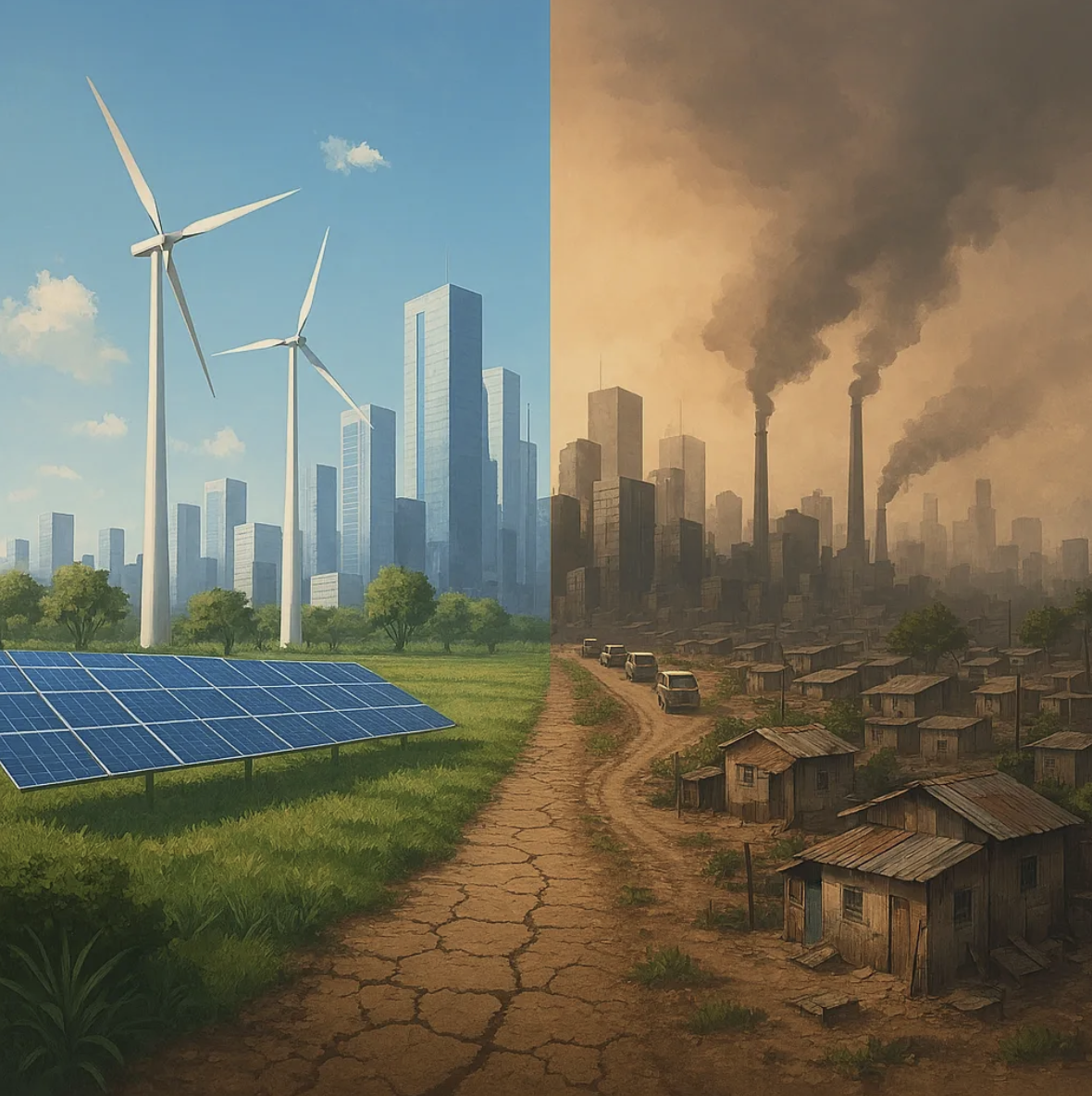
Latin America and the Caribbean have experienced multiple technological waves, beginning with steam and railways. The region has been more of a spectator to these waves than a participant, arriving late to the party of innovative technologies. The first railway line in Britain appeared in 1825; LAC built its first lines between 1850 and 1860. We have already entered a new technological wave, and the region is beginning to see the effects – commodity pressures and global market shifts. LAC can play a significant role in this technological wave, if only because of its mineral wealth and renewable energy potential.
If the region is to become a more active participant in this technological wave, it is helpful to understand the consequences of past technological waves to better manage the process.
Technological revolutions tend to deplete natural capital, widen inequality, destabilize institutions, and fracture social order. LAC can be left behind by failing to lead change and by failing to manage the inevitable consequences of change. While technological revolutions offer many positive socioeconomic changes, they also have documented negative consequences, including stranded industries, volatile markets, weakened governance, and communities left behind. The purpose of this blog is to present the more negative aspects of technological revolutions. By understanding the pressures on capital, social institutions, and social order, LAC could design a more resilient transition.
Technological revolutions reshape prosperity
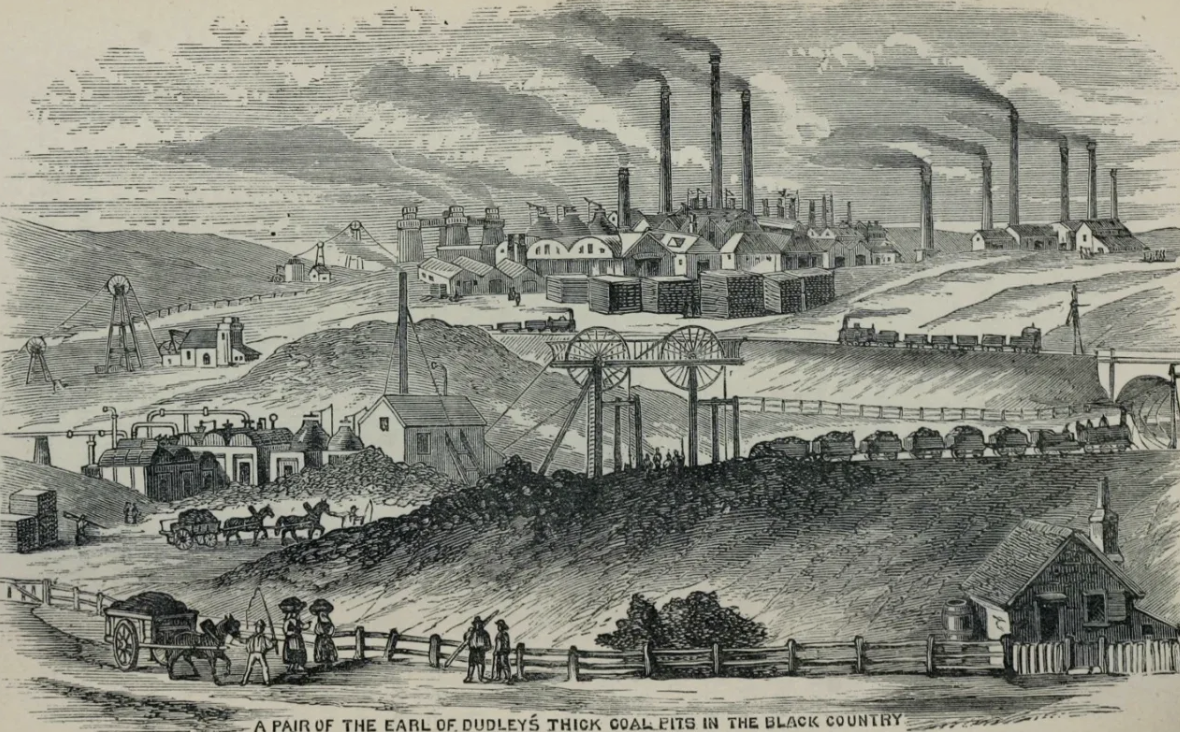
Past technological revolutions have rapidly increased the extraction of natural capital. Innovative technologies accelerate the conversion of forests, soils, minerals, and water systems into inputs for rapid industrial expansion. The growth of coal extraction in Britain between 1770 and 1830, which multiplied severalfold, devastated landscapes in northern England and Wales. Environmental challenges concentrate in areas that are either the origins of natural resources or the destinations – cities – where industrial production takes place. Both types of areas are subject to pollution and environmental degradation. Manchester in the 1850s was a pollution hotspot, while the London Smog of 1952, which killed up to 12,000 people, illustrates the effect of urbanization and industrialization with minimal regulation. Demand for resources and inputs can also lead states to justify militarized control over other nations’ resources to secure the inputs needed for continued growth. The competition for African minerals between 1880 and 1914 to feed European industry led to the use of military force to control 90% of the landmass.
Inequality increases within countries and between countries. High-skill workers and emerging industrial and urban elites disproportionately capture the gains of change, while low-skill workers may face displacement and wage stagnation. The Luddite rebellions of textile workers in Britain between 1811 and 1816 illustrate these conflicts, as factories and mechanized looms displaced traditional textile workers. Older industries from past technological revolutions and their workers may face obsolescence, with assets and jobs becoming stranded. The decline of coal mining in Britain from the 1970s to the 1990s left entire communities stranded. Employment in mining declined from 300,000 to 10,000 over 40 years, fueling significant conflict among the government, mine owners, and miners. Financial systems often become more volatile, as speculative finance and credit booms can drive bubbles in which many firms attempt to capture market share in innovative technologies. Everyone wanted to build railways in the 1840s, but not everyone could make them economically viable, which led to railway share prices collapsing by half. The dot-com bubble between 1995 and 2000 saw many companies fail, leading to a 75% decline in the NASDAQ index between 2000 and 2002. In the past, these imbalances could push societies toward hegemonic economic strategies – domination over emerging technologies or the supply chains to compensate for volatility at home.
Cultural capital is profoundly affected by technological revolutions and takes the longest to recover. Traditional knowledge systems lose legitimacy as the focus grows on areas of rapid economic growth, and social trust erodes. Many key agricultural products, such as maize, derive from indigenous traditional knowledge, but agrarian modernization between 1900 and 1950 focused exclusively on industrial agriculture. Migration and urbanization, driven by technological revolutions and new wealth hierarchies, can weaken community bonds and even disrupt intergenerational continuity. LAC’s urbanization rate rose from 40% in 1950 to more than 80% today, fundamentally changing the region. Artistic expression is often commercialized or homogenized to align with global norms, displacing localized identities. Simpler nationalist narratives may begin to replace more complex cultural narratives to bind communities and ensure unity and purpose in rapidly changing states.
Social institutions fall behind
Governance, regulatory systems, and institutions often struggle to keep pace with technological change. The earliest factory acts were enacted in 1833, decades after factories were established in Britain. Regulations were not yet ready, and it takes time for lawmakers to address new industries. For example, U.S. antitrust laws were enacted in 1890 and applied to Standard Oil in 1911, well after the company had dominated the oil industry, controlling up to 90% of refining capacity. Oversight systems become outdated or unable to manage rapid expansion, as in the U.S. railroads between 1850 and 1880. Some sectors or regions move rapidly, while others remain unchanged, making coordination challenging. Newly created governance and policy gaps create openings that individuals and corporations can exploit through elite capture, corruption, or the abuse of incentives. Under these circumstances, some governments turn to stronger centralized authority or coercion to reassert control, for example, Soviet industrialization in the 1930s.
Public services such as health, education, housing, and social protection are often overwhelmed as people migrate to cities. The massive expansion and fivefold population growth in Manchester and London between 1800 and 1850 completely overloaded nascent urban services. New risks may emerge as pollution drives new health system needs. Education systems may not produce the skilled workforce required for innovative technologies. Housing shortages may increase in rapidly growing cities – or cities may shift to elevated levels of disorganization and informality. Informality is characteristic of the peripheral areas of many Latin American cities, resulting in favelas and barrios where more than a third of residents live. Social protection models often cannot keep pace with new areas of insecurity. Gig workers between 2010 and 2020 struggled to secure protections because they were outside traditional labor-management systems.
Fiscal, financial, and infrastructure institutions are also acutely stressed during rapid economic growth. Tax systems may not be well equipped to capture value from emerging sectors. Digital platforms established between 2000 and 2020 often operated beyond traditional tax frameworks. Subsidies and industrial policy may be outdated and targeted toward supporting now-defunct industrial sectors. Coal subsidies in Europe between 1950 and 2000 persisted long after coal had become economically unviable and uncompetitive. Existing infrastructure systems may become congested or expand unevenly, creating bottlenecks that slow growth or, in some cases, creating investment bubbles or stranded assets as new forms of infrastructure take over.
Social order and cycles become turbulent
Social order destabilizes as new power hierarchies fragment identities. New economic elites often emerge, sharpening the rural-urban divide and creating geographical inequalities. Silicon Valley created new technological elites and corporations between 1980 and 2020. Generational tensions can increase around innovative technologies and the values they may embody. The generational divide is particularly vivid as communications technologies have shifted from radio in the 1920s, to TV in the 1950s, and to the internet and social media in the 1990s. Societies may reformulate informal norms to meet new ordering needs. Changing identities creates opportunities to forge new political alliances around the new winners.
The “normal” individual, institutional, and environmental cycles are often substantively changed by technological change. Shift work in factories and mining in the 1800s, with 60-70-hour workweeks, significantly altered traditional daily work and family cycles. As a result, people who need to accommodate the massive social, economic, and cultural changes, including changes in work and urban environments, experience rising anxiety and burnout with health consequences. Political cycles can often shorten when governments respond reactively to public frustration, rather than working through structured long-term plans that recognize and manage change.
Technological revolutions strain environmental, demographic, and market cycles. They can increase commodity pressures by demanding inputs, such as rubber, copper, and oil, between 1880 and 1970. They can create environmental crises through resource extraction or pollution, and they can shift migration pressures as countries seek new skills and people seek new opportunities. An excellent example of an ecological crisis caused by technological change is the Dust Bowl of the 1930s, which displaced hundreds, if not thousands, of people due to a shift to mechanized farming. Market cycles are integral to technological revolutions, with the initial stages dominated by speculative capital, which can often lead to investment bubbles and crashes.
Conclusion
Technological revolutions reshape societies. The present technological wave will reshape countries across LAC. The region can either absorb the shocks of this ongoing revolution and capitalize on opportunities, or countries can shape their own pathways.
The likely consequences of technological waves are predictable and historically documented, even if it is challenging to predict the specific technological changes. It is possible to design transitions by focusing on stronger institutional capabilities, protecting people, and preserving cultural identity while still embracing, even leading, technological change.
The challenge for LAC countries is to anticipate changes before they arrive, lead the necessary institutional shifts, and ensure that the technological wave serves as a foundation for shared prosperity across the region rather than another missed opportunity. Today, states should consider the necessary skills, systems, planning processes, governance shifts, and industrial policy sequencing to maximize regional benefits.